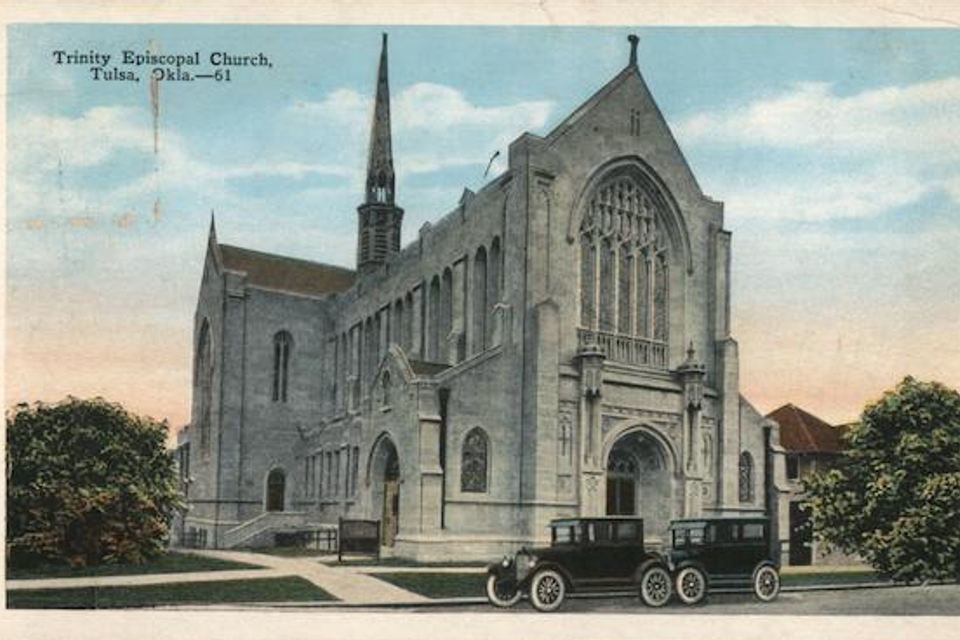
A Brief History of Trinity Episcopal Church Tulsa
Trinity’s story begins in 1832 when the Rt. Rev. Jackson Kemper, the first Episcopal Missionary Bishop, encountered a Seneca community worshiping with the Mohawk Prayer Book. The influence of Native American cultures is woven into the fabric of Trinity’s earliest roots.
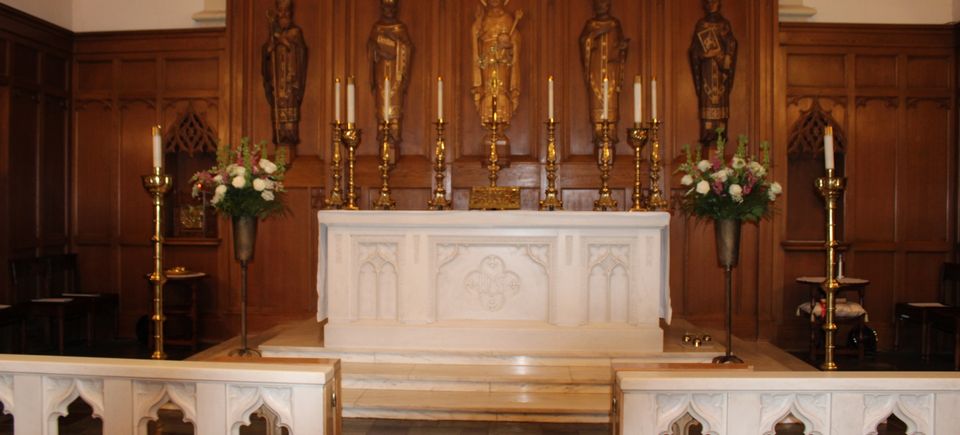
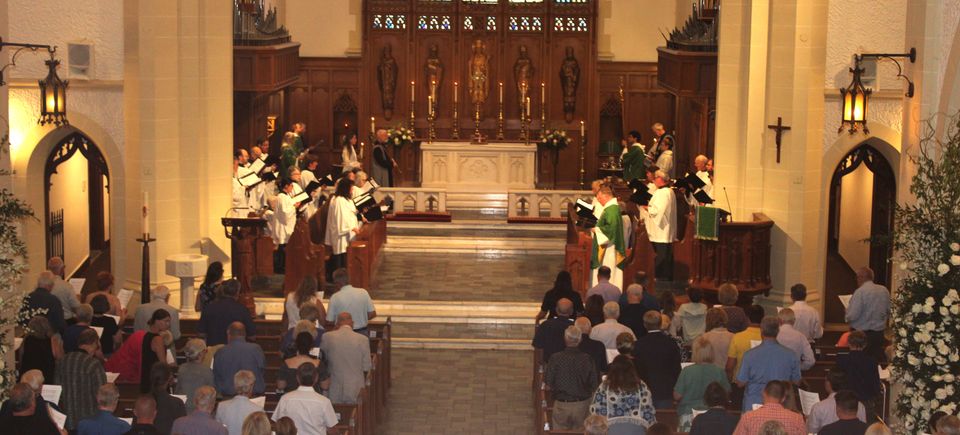
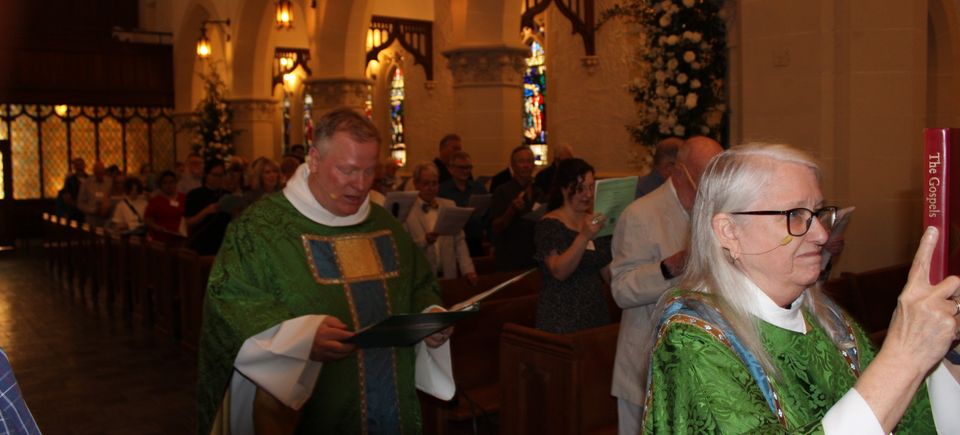
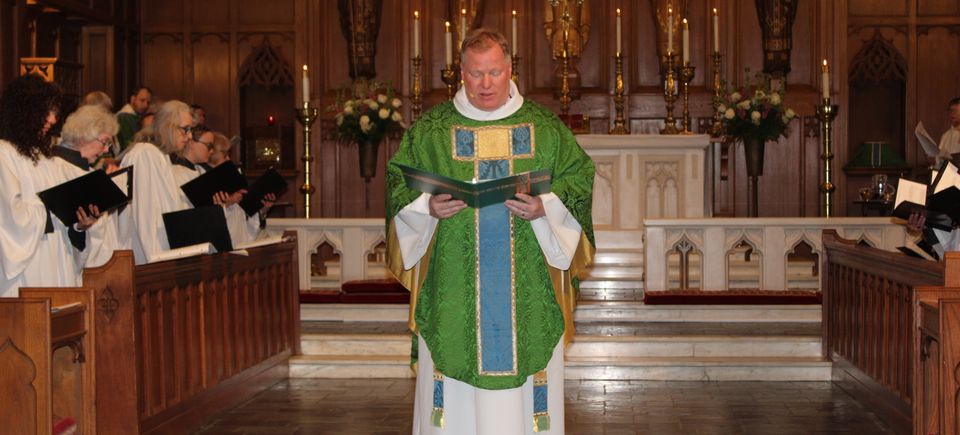
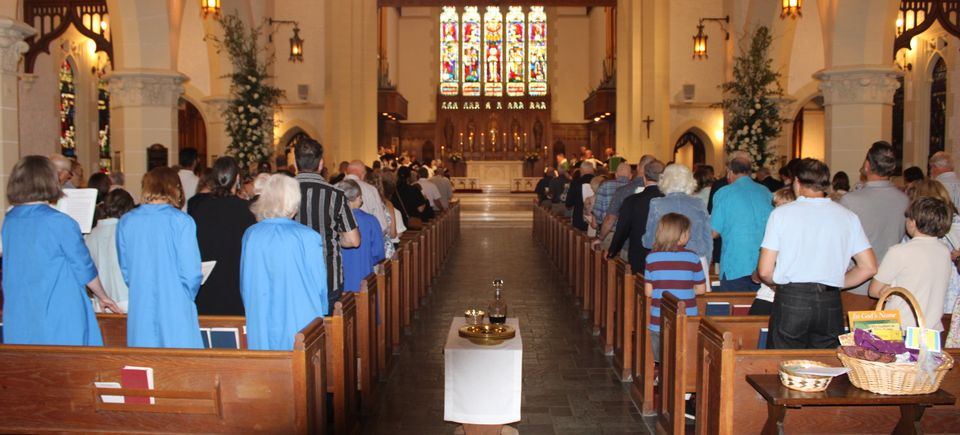
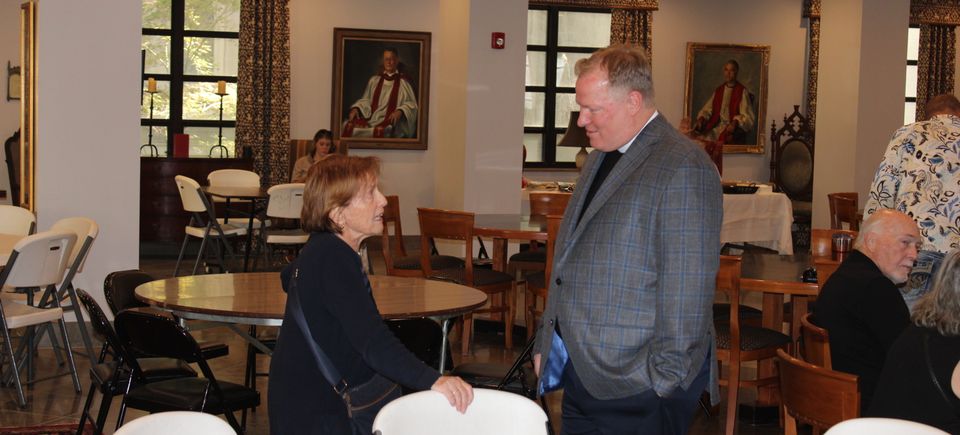
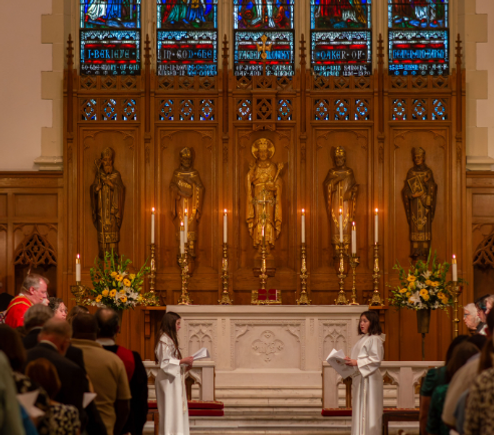
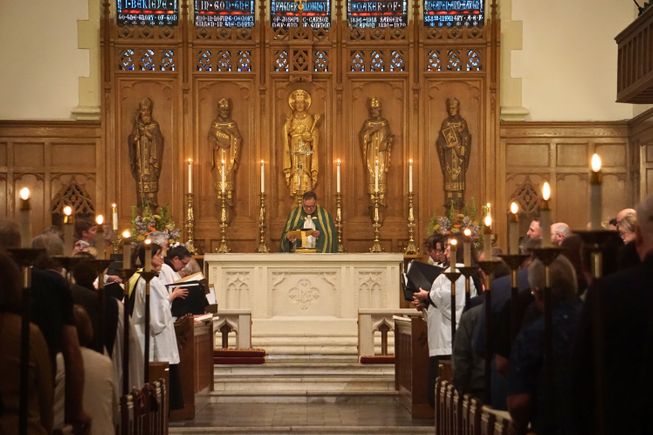
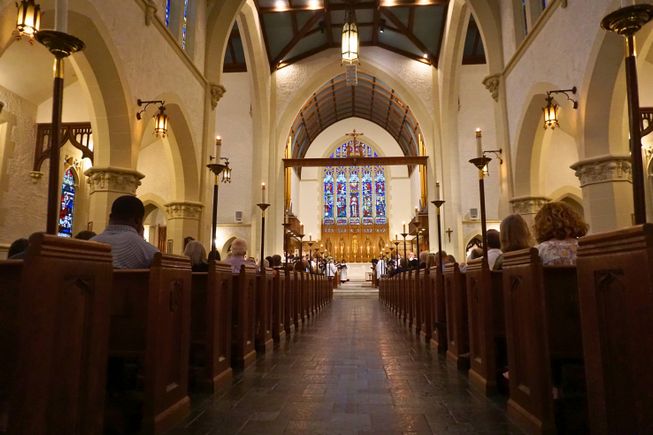
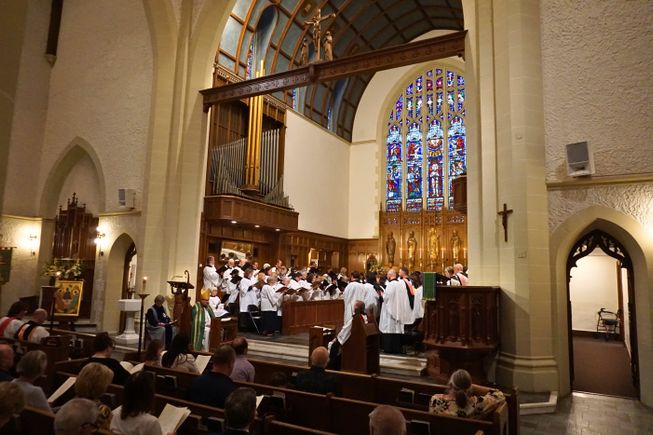
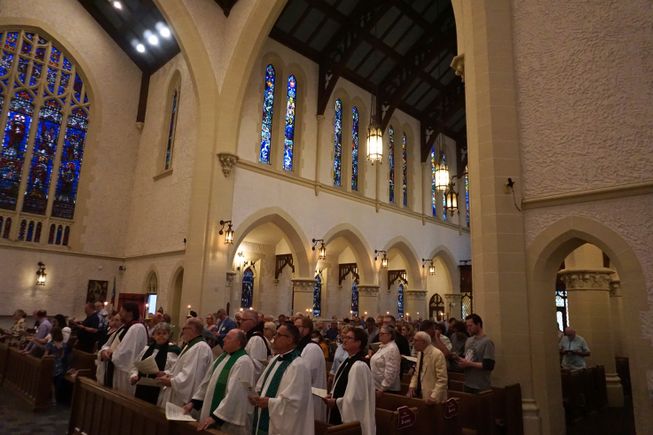
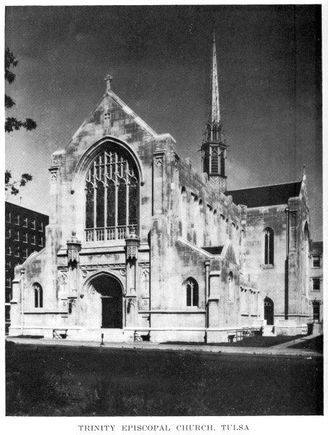
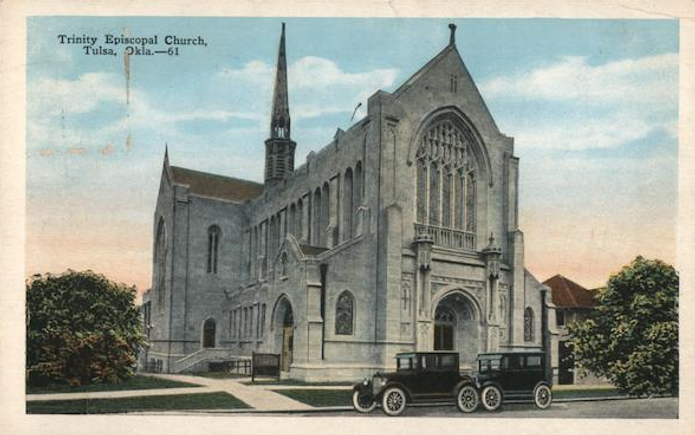
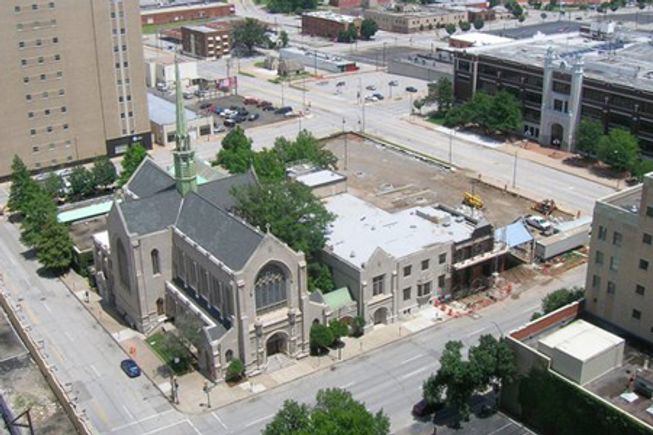
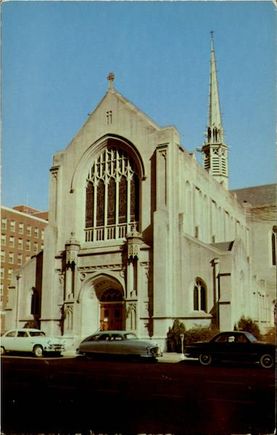
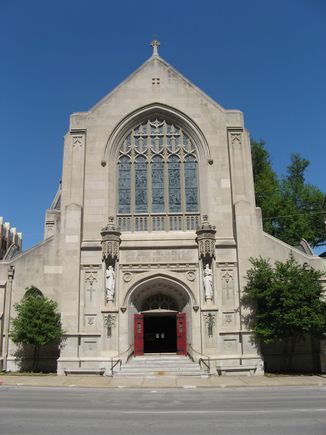
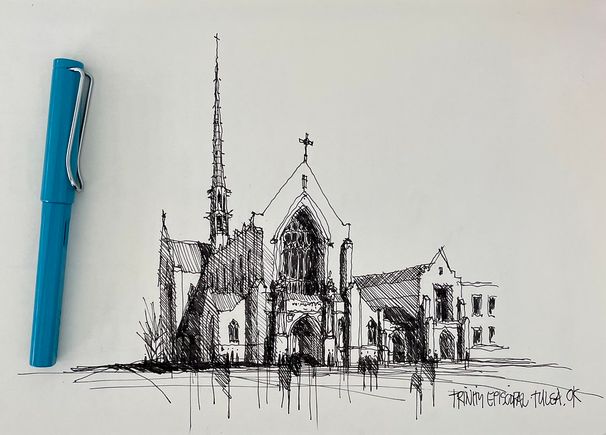
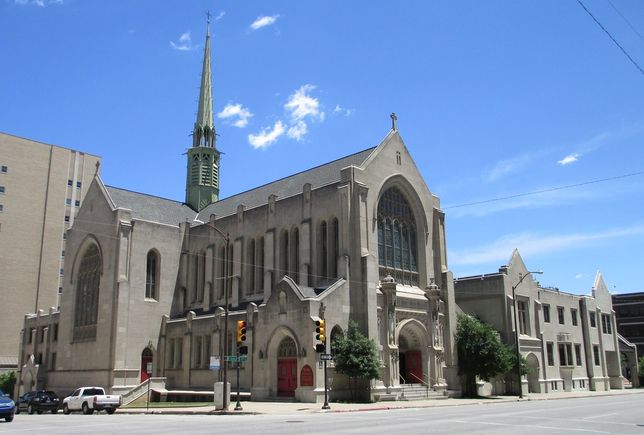
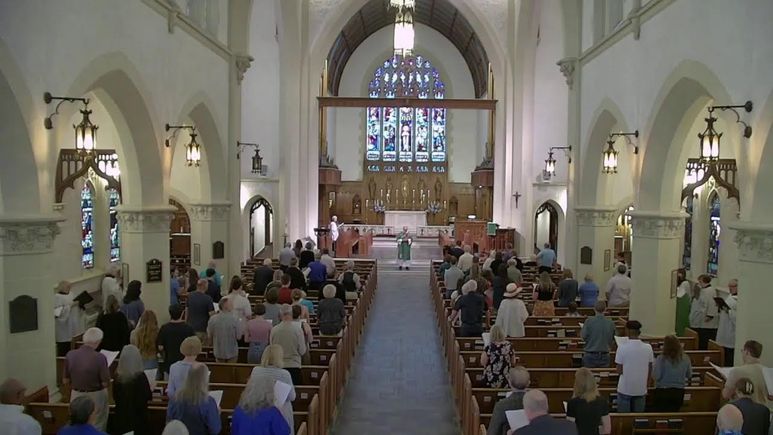
Bishop Francis Key Brooke, consecrated in 1893, led the growing Episcopal presence in Indian Territory. In November 1903, Tulsa’s first Episcopal service was held in the home of Mr. and Mrs. Dan P. Hunt. By 1905, a lot at Fifth and Cincinisnati was purchased for $800, and a 225-seat church was completed in 1906. By 1917, Tulsa’s growth demanded a larger building. Ground was broken in December of 1920 on our current English Gothic-style church. It was dedicated in May of 1926.
One of Trinity’s most influential leaders, the Rev. Dr. Edward H. Eckel Jr. (19301958), had a vision to “box the Tulsa compass” by founding four churches: St. Luke's (1942), St. John's (1948), St. Mark's (1955), later renamed St. Aidan's, and St. Matthew's-by-the-Lake (1957) in Sand Springs. He also championed the creation of St. Simeon’s Episcopal retirement home (1960).
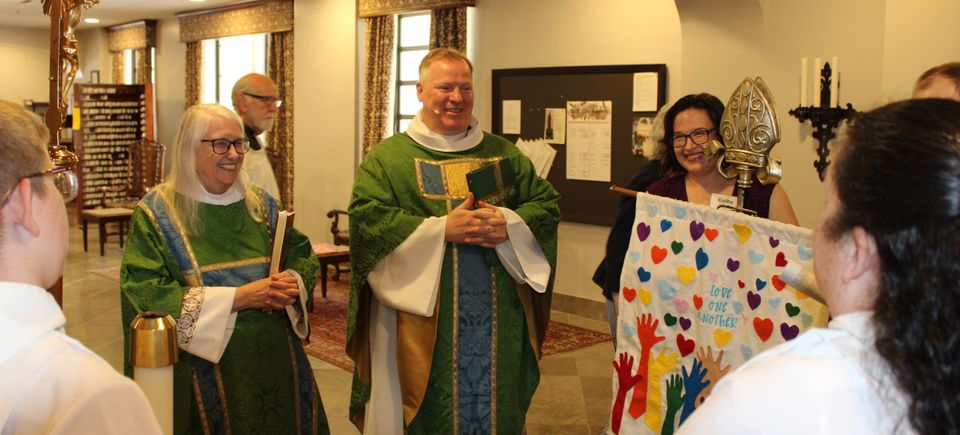
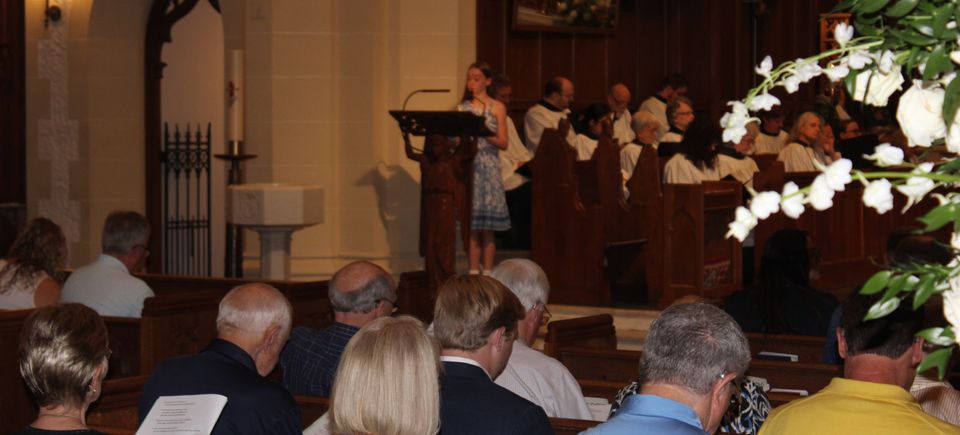
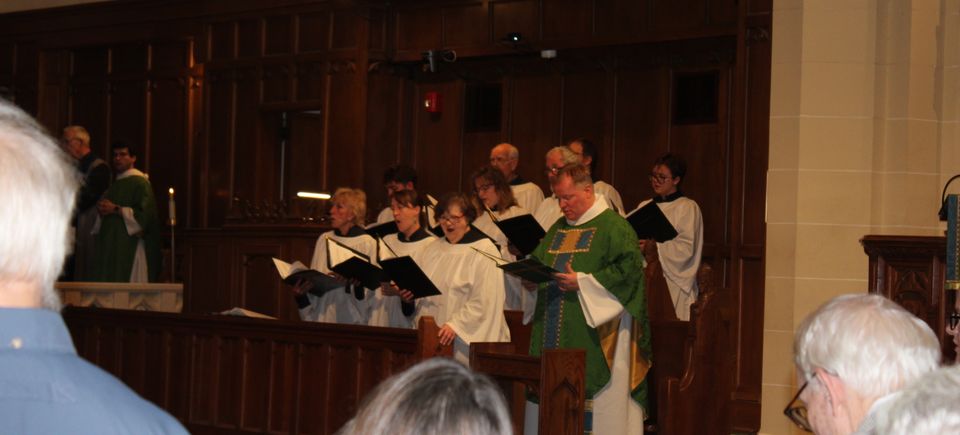
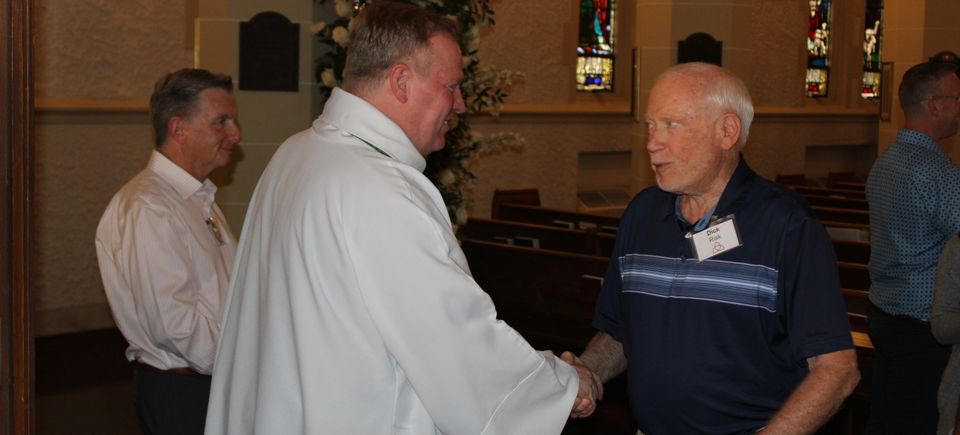
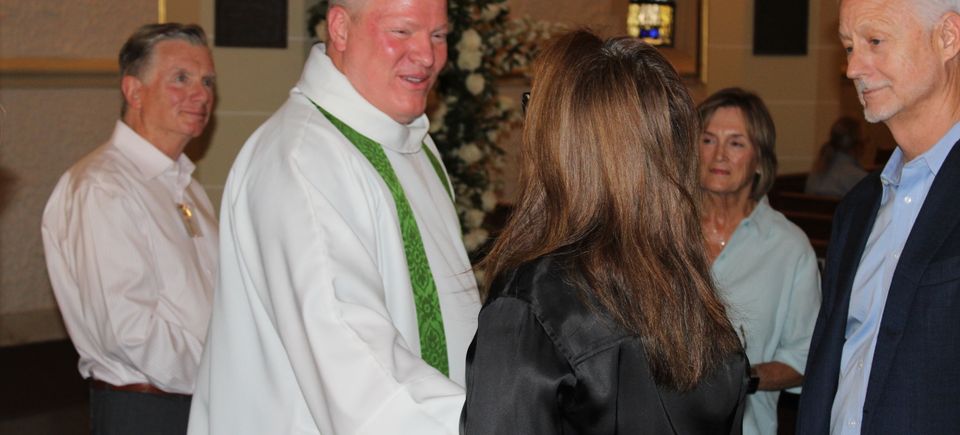
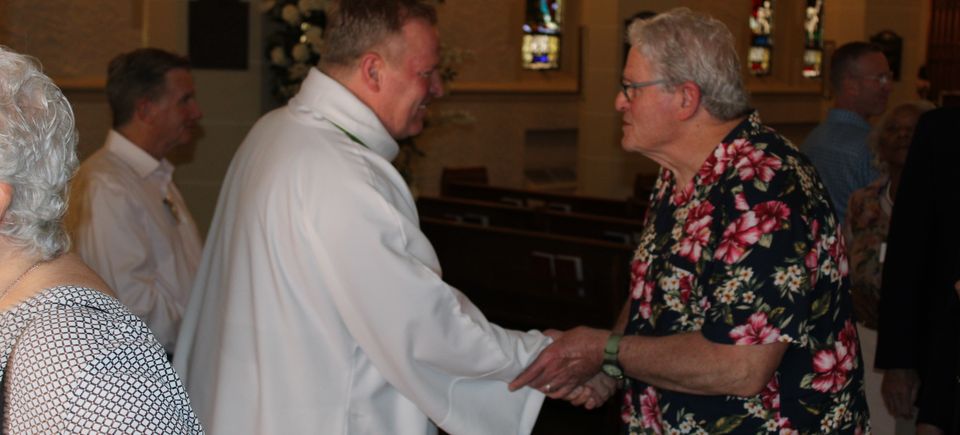
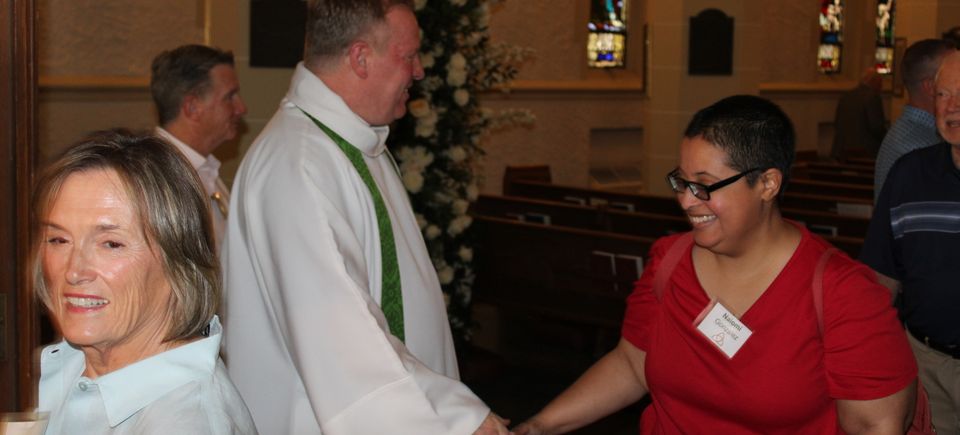
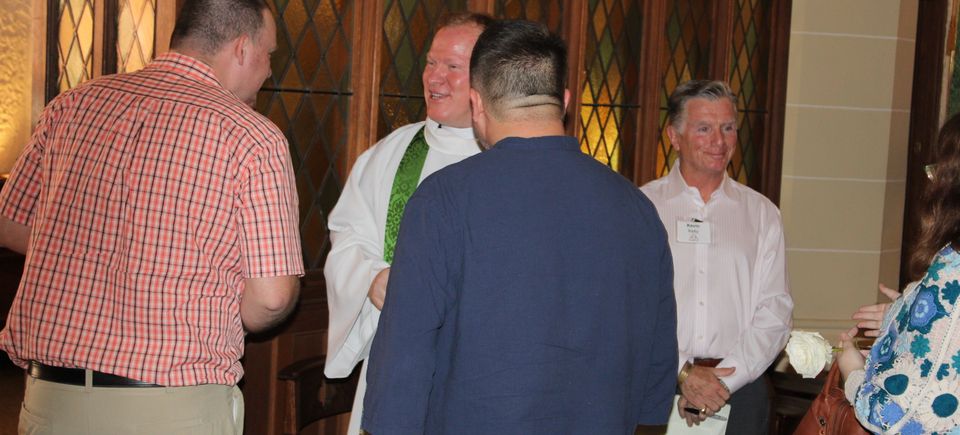
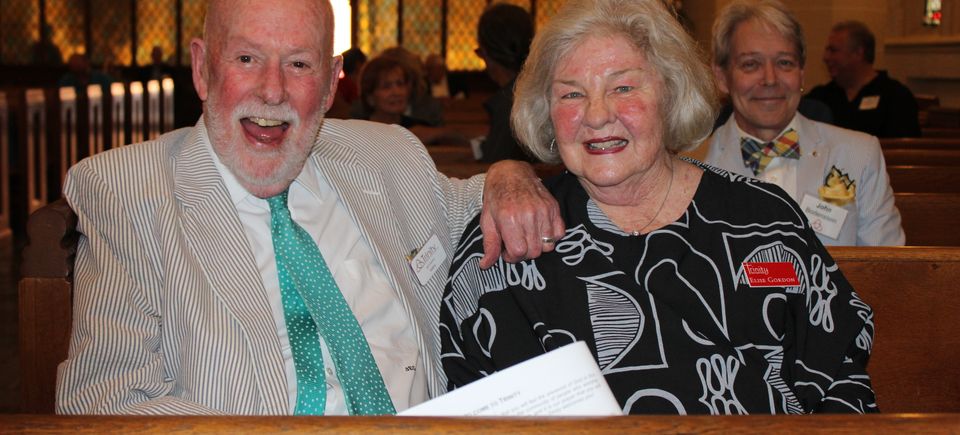
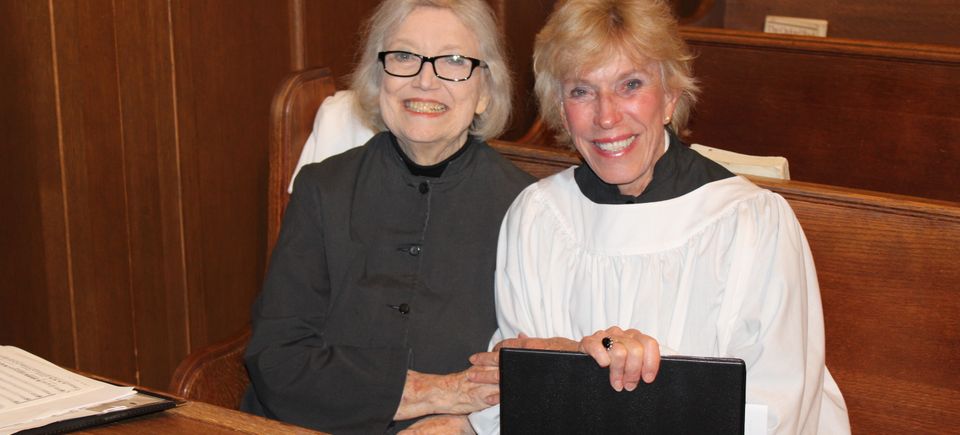
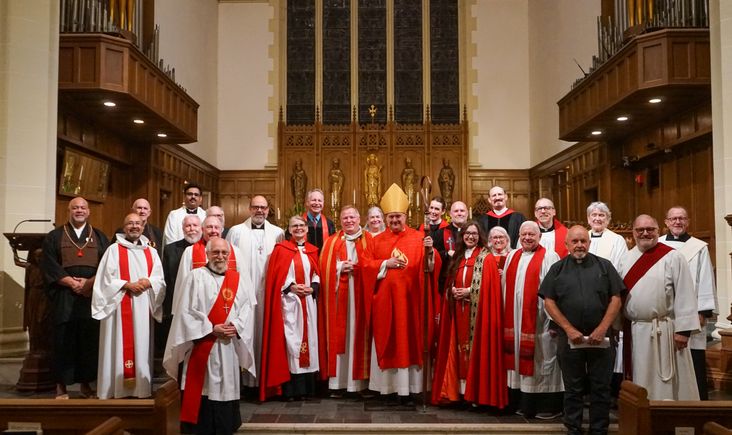
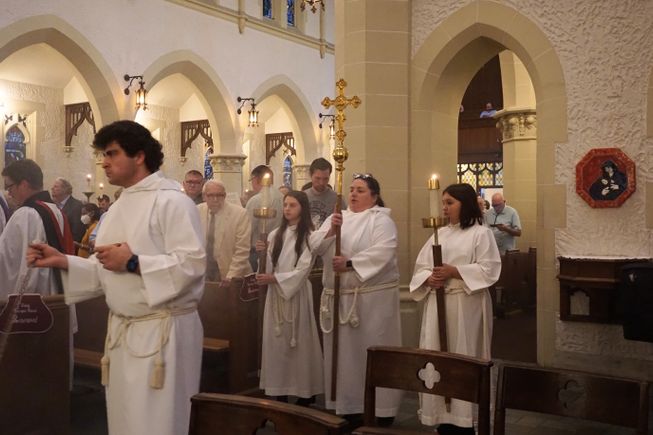
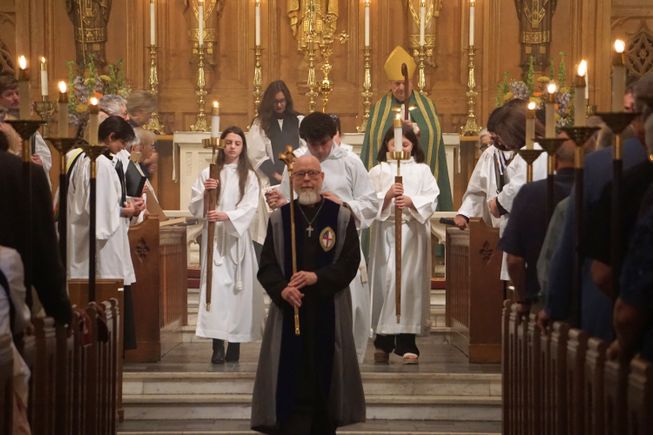
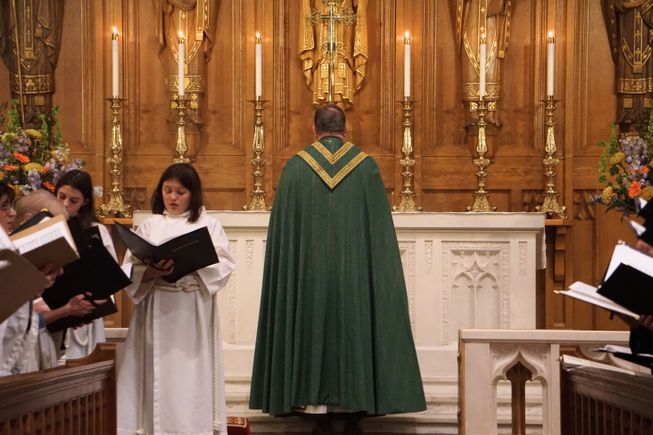
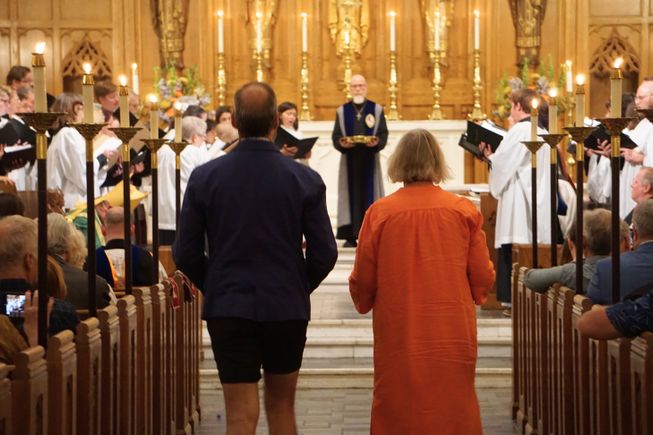
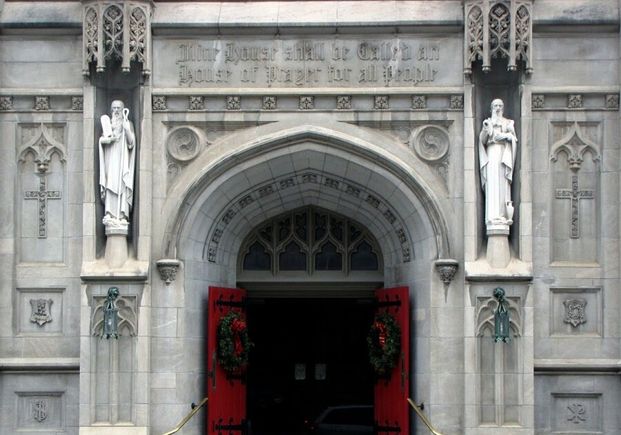
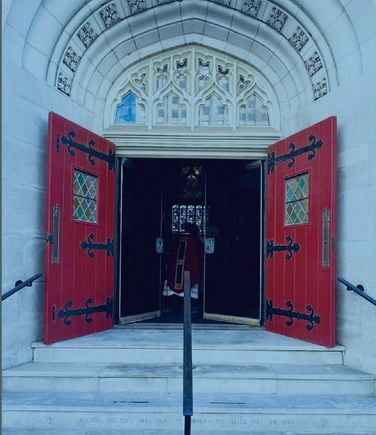
Rooted in strong spiritual leadership, Trinity has stood as a beacon of worship, welcome, and justice in Tulsa for over a century. Etched in stone above our doors are the words: “Mine house shall be called a House of Prayer for all Peoples.” In 2025, we still live this truth boldly with a current motto: Wherever you are on your spiritual journey, Trinity welcomes you
Bishop Francis Key Brooke, consecrated in 1893, led the growing Episcopal presence in Indian Territory. In November 1903, Tulsa’s first Episcopal service was held in the home of Mr. and Mrs. Dan P. Hunt. By 1905, a lot at Fifth and Cincinisnati was purchased for $800, and a 225-seat church was completed in 1906. By 1917, Tulsa’s growth demanded a larger building. Ground was broken in December of 1920 on our current English Gothic-style church. It was dedicated in May of 1926.
One of Trinity’s most influential leaders, the Rev. Dr. Edward H. Eckel Jr. (19301958), had a vision to “box the Tulsa compass” by founding four churches: St. Luke's (1942), St. John's (1948), St. Mark's (1955), later renamed St. Aidan's, and St. Matthew's-by-the-Lake (1957) in Sand Springs. He also championed the creation of St. Simeon’s Episcopal retirement home (1960).
Rooted in strong spiritual leadership, Trinity has stood as a beacon of worship, welcome, and justice in Tulsa for over a century. Etched in stone above our doors are the words: “Mine house shall be called a House of Prayer for all Peoples.” In 2025, we still live this truth boldly with a current motto: Wherever you are on your spiritual journey, Trinity welcomes you